
Seven branching endings
Not recolored variants. Different investigations, different antagonists, different verdicts on who you were.
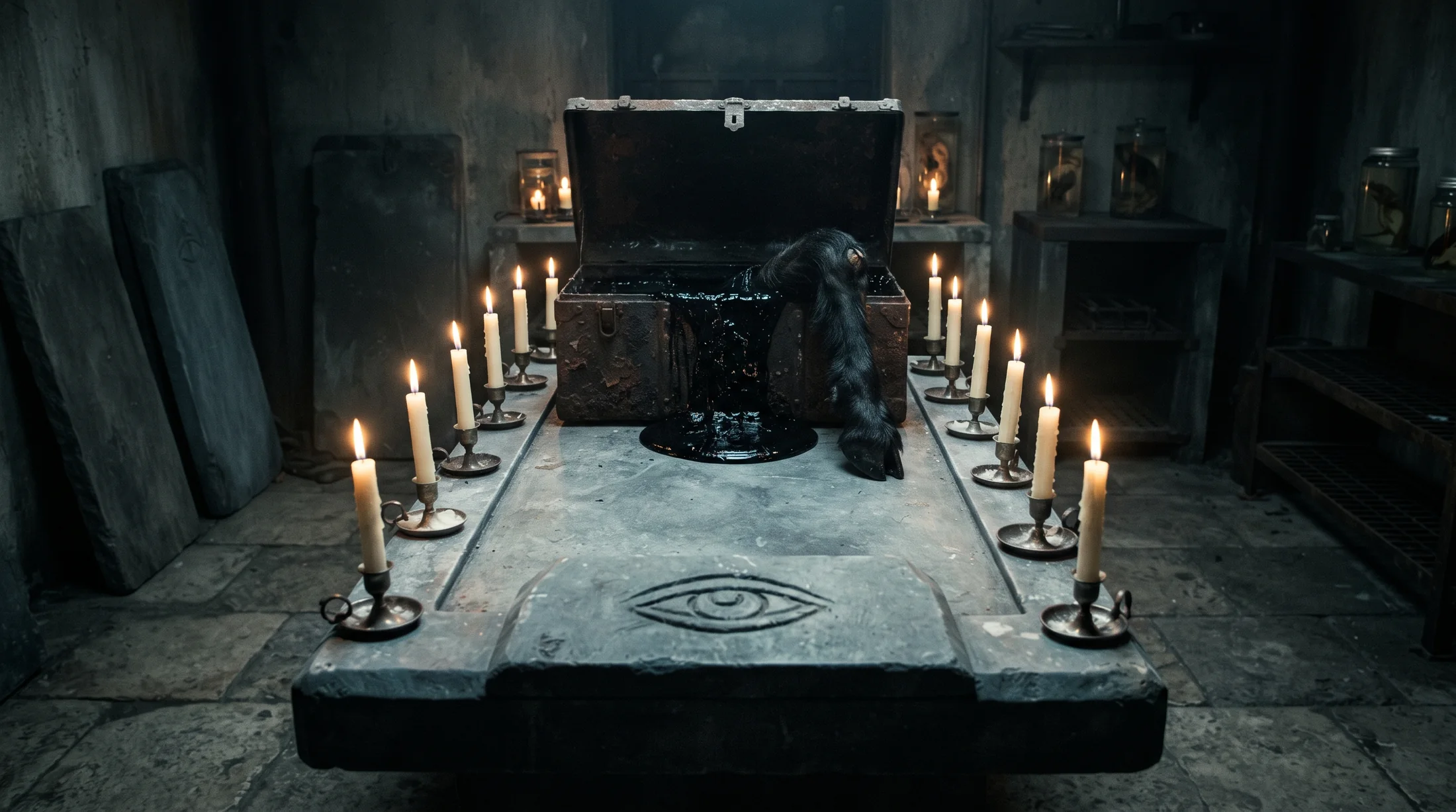
An interactive horror movie
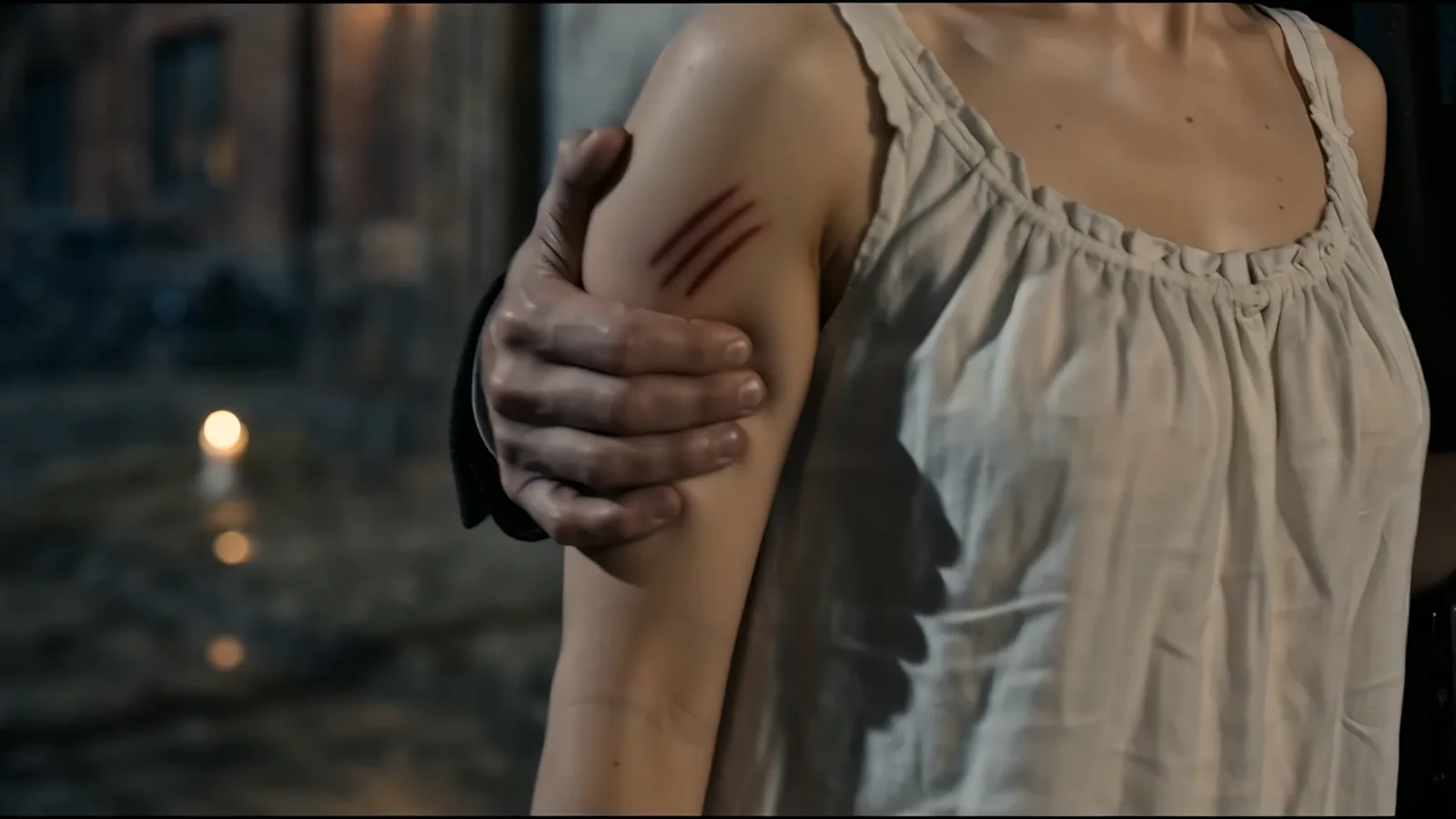
The Spawn of Arkham opens in 1936, on a riverbank in Massachusetts, where a woman is found with her hair combed and her hands folded. Three women in eighteen months, the same cuts, the same patience — and a symbol carved into a willow tree.
Ninety seconds. Nothing past the second act.
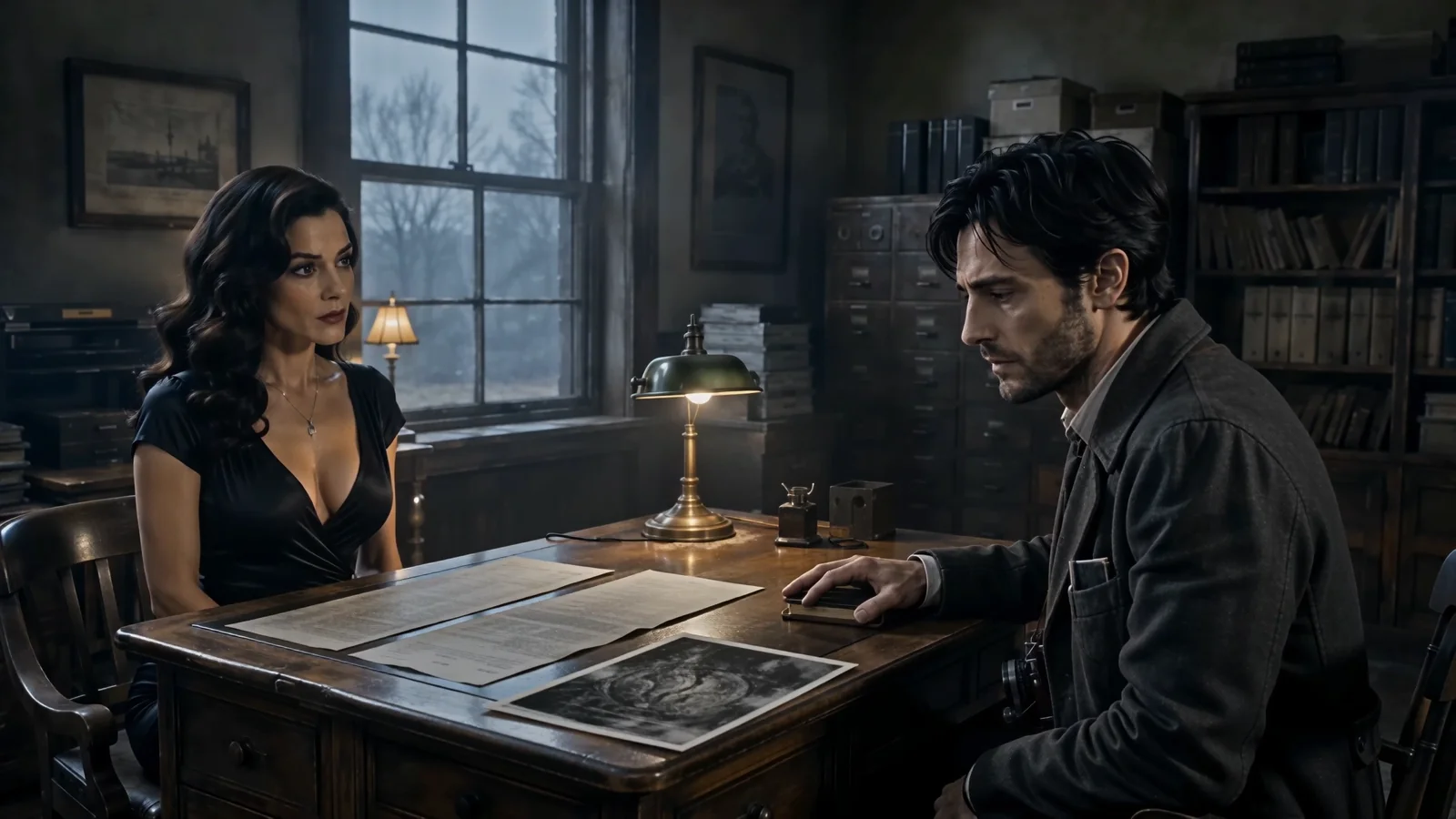
You have no badge, no warrant, and no right to be anywhere.
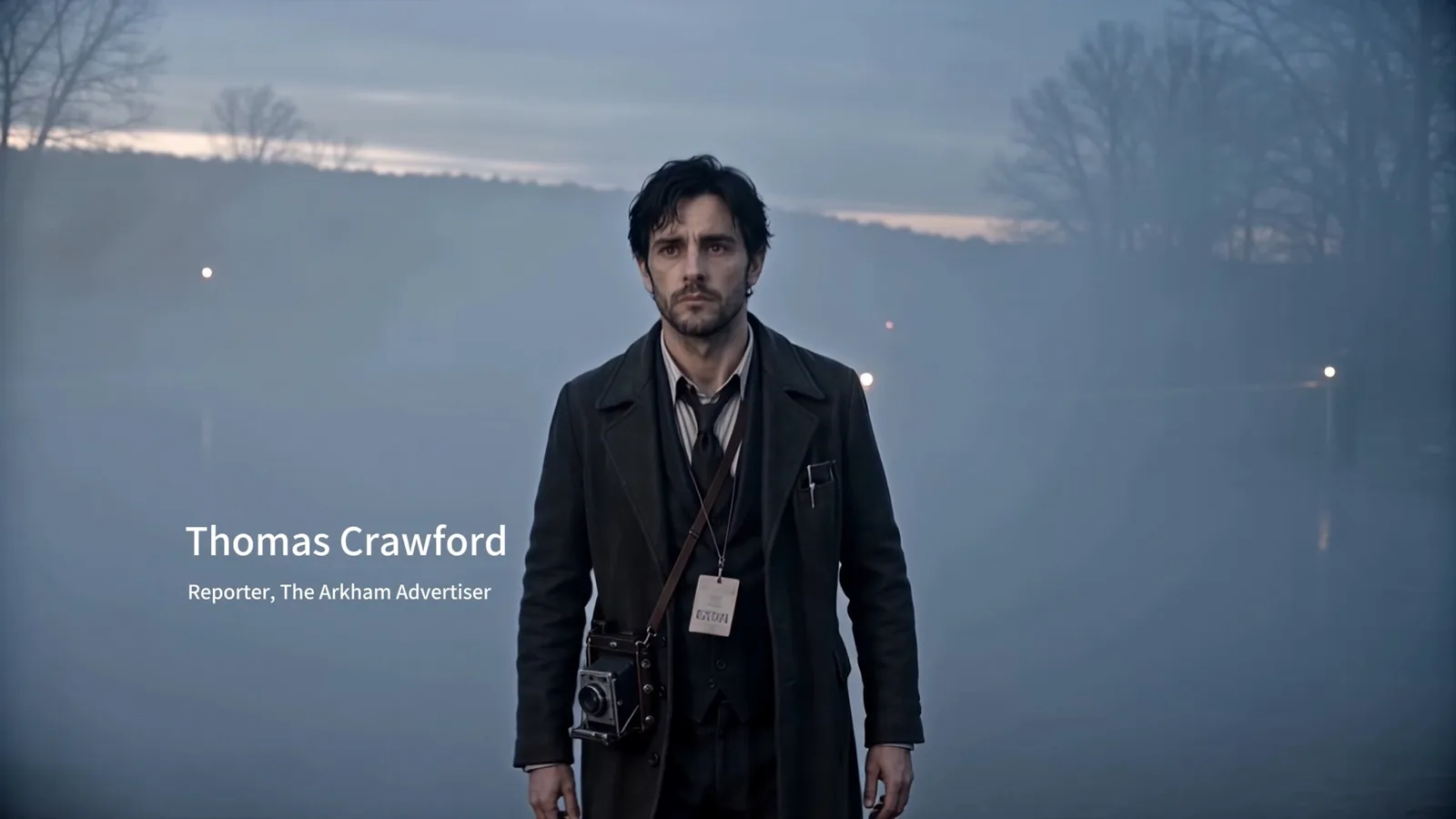
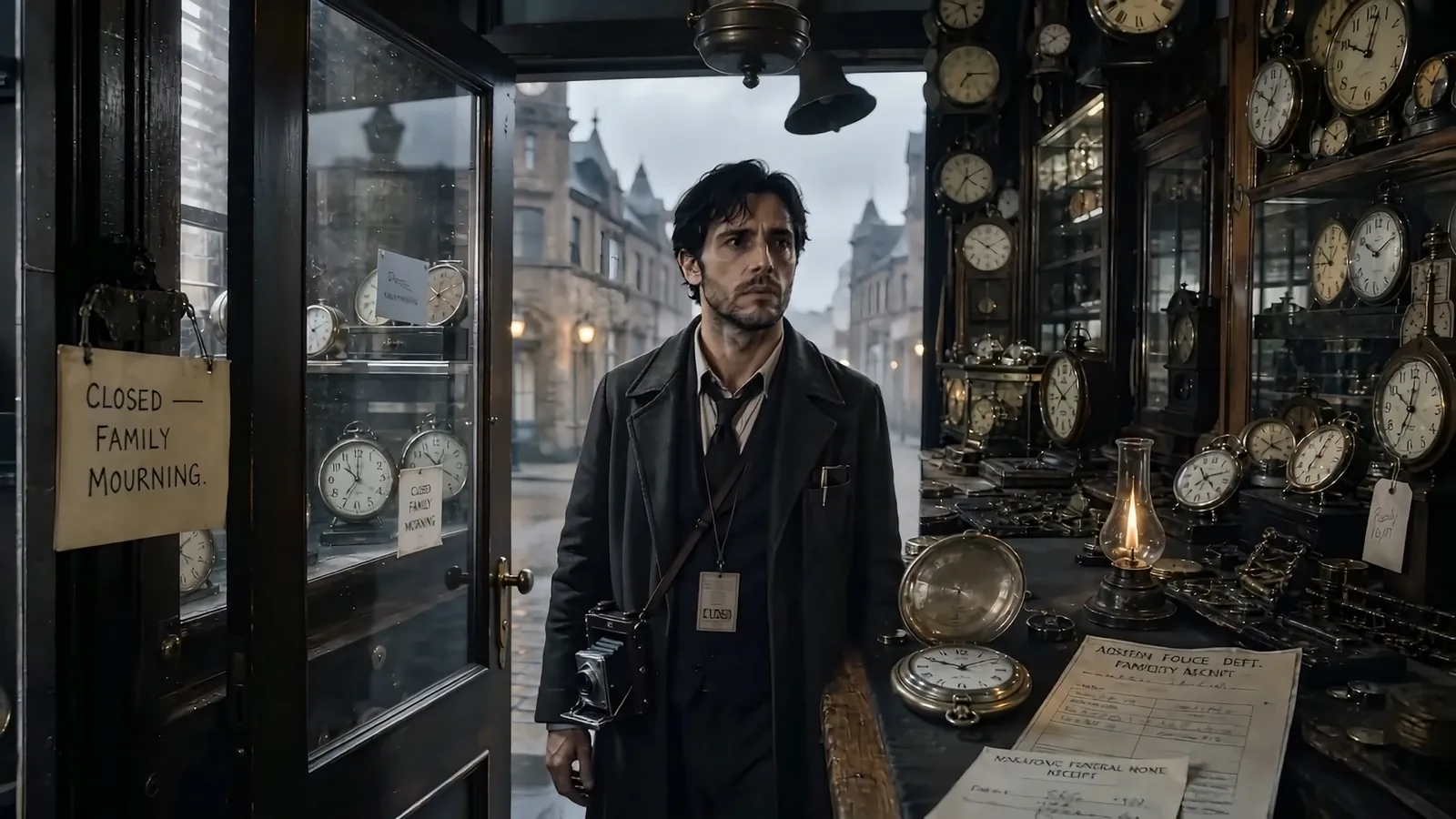
You are Thomas Crawford. You write for the Arkham Advertiser, you grew up half a mile from that river, and you knew the dead woman's name before the deputy said it out loud.
Margaret Foster called you eight days ago and asked to meet. You said next week. Now she is on a slab in Boston with her womb removed by someone who worked with a surgeon's precision — and then took the time to make her presentable.
The Spawn of Arkham is a branching interactive movie about what a town agrees to forget. The FBI calls it a serial killer. A folklorist at Miskatonic calls it something older. The professor who taught her everything calls it nothing at all, and he is the one paying for the funerals.
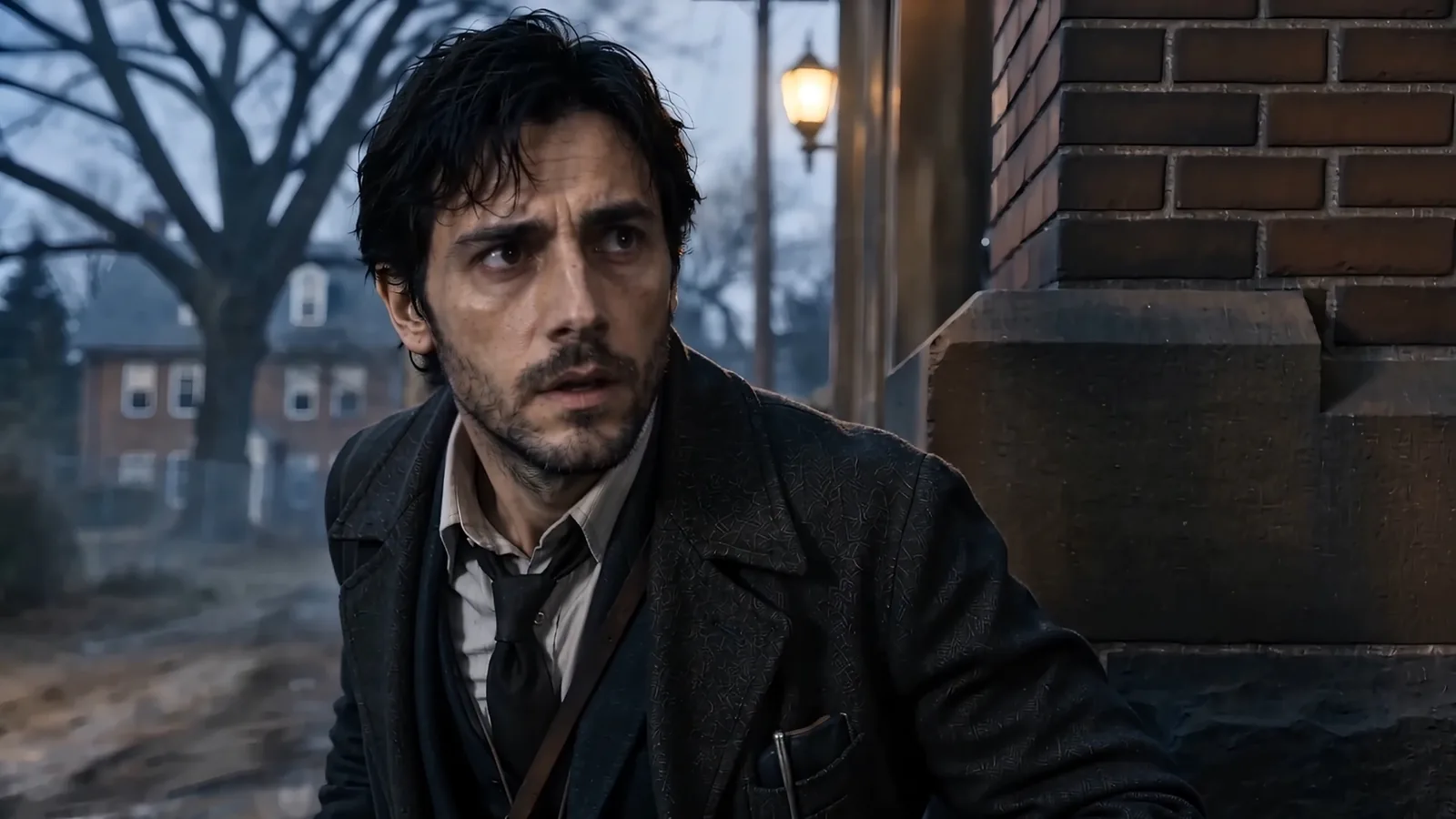
Every lead has to be asked for. Every question costs you something with the person who answers it. And when a decision arrives, a timer starts — hesitate, and the story keeps moving without you, choosing the way a frightened man would choose.
Seven playthroughs. Seven conclusions. Some are earned, some are survived, and at least one is a thing you agree to.
Not recolored variants. Different investigations, different antagonists, different verdicts on who you were.
Decision windows run out. Indecision is an option with consequences, and the game will not tell you which one you picked.
No backup, no authority, only access. You investigate the way a journalist does: by being trusted, then by becoming a problem.
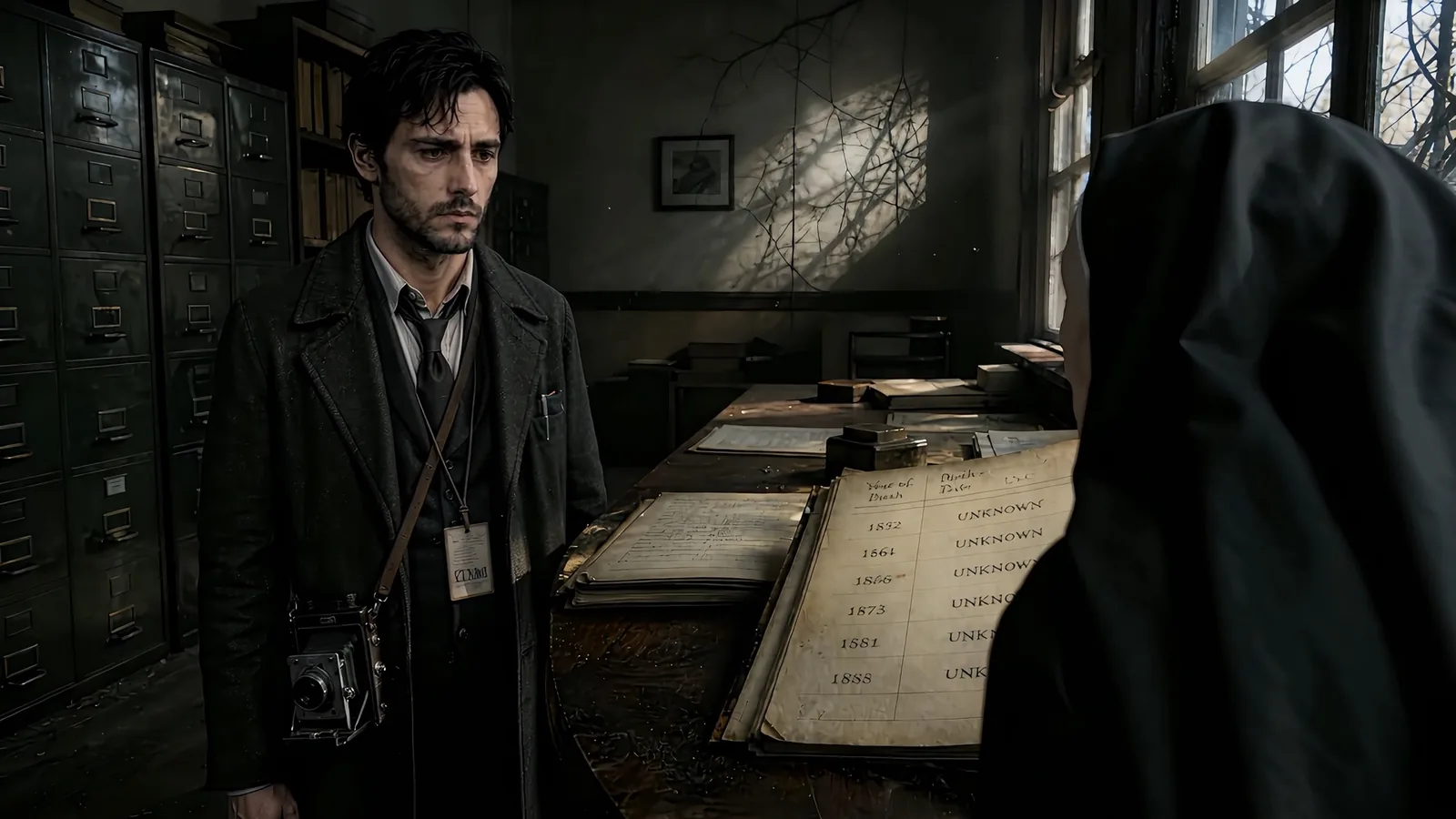
Arkham, Miskatonic University, river fog, a farmhouse that isn't on the map, and a courthouse with a basement nobody mentions.
Roughly seventy minutes per run across seven routes, filmed as one continuous story rather than a menu of scenes.
Every frame was made with generative video and image tools, then written, edited and assembled into a branching script. Stated plainly because you deserve to know before you buy.
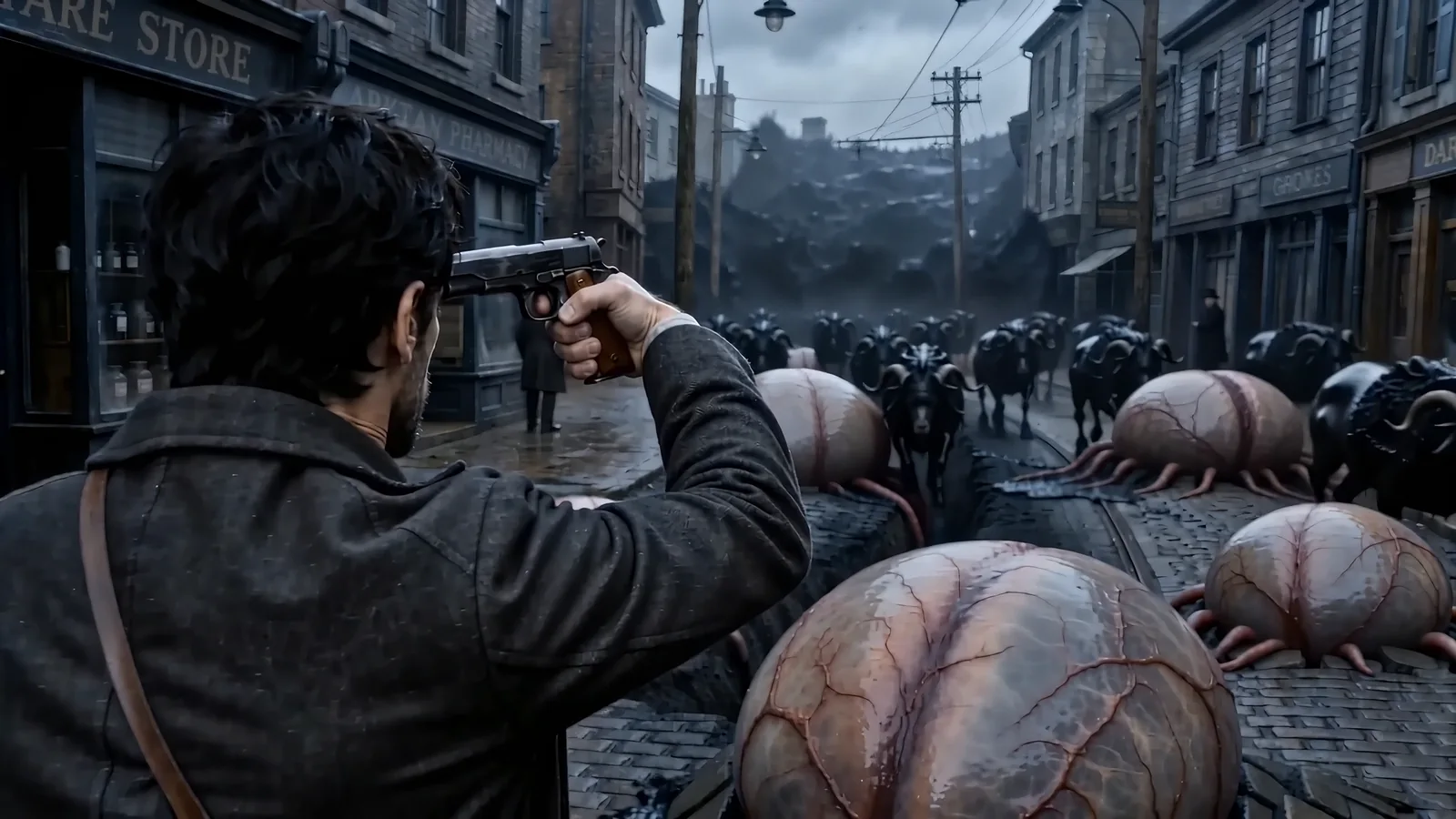
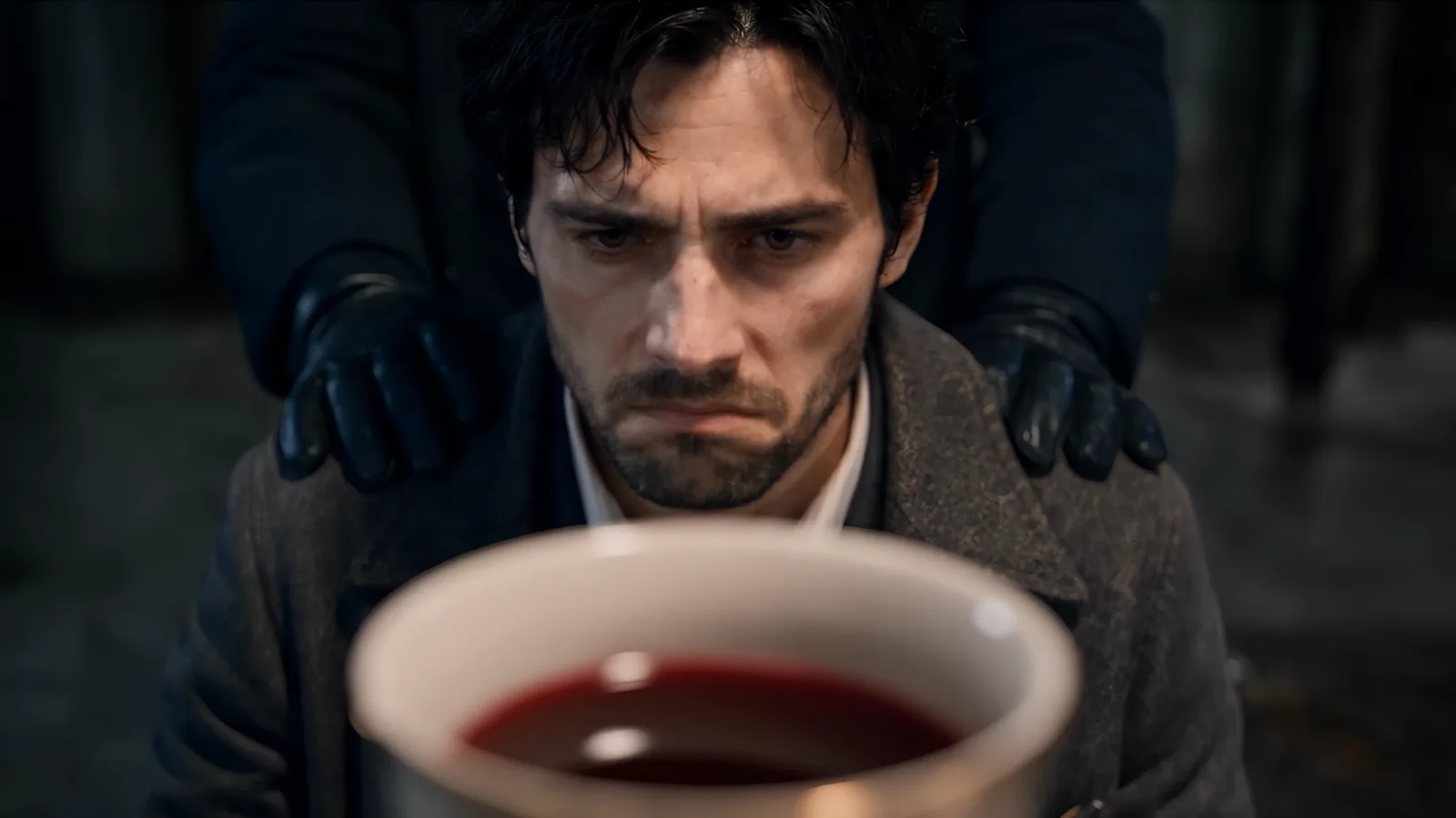
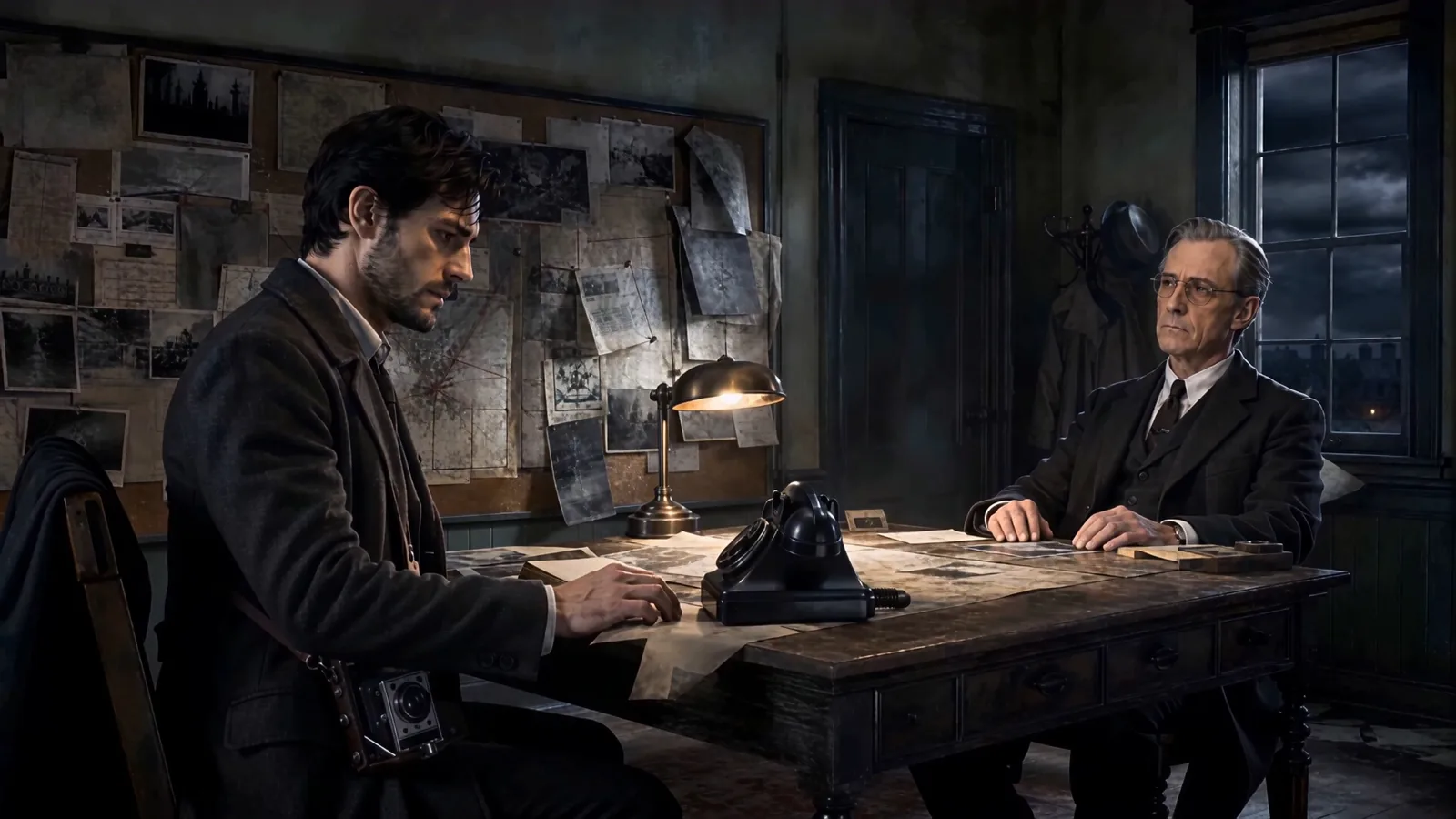
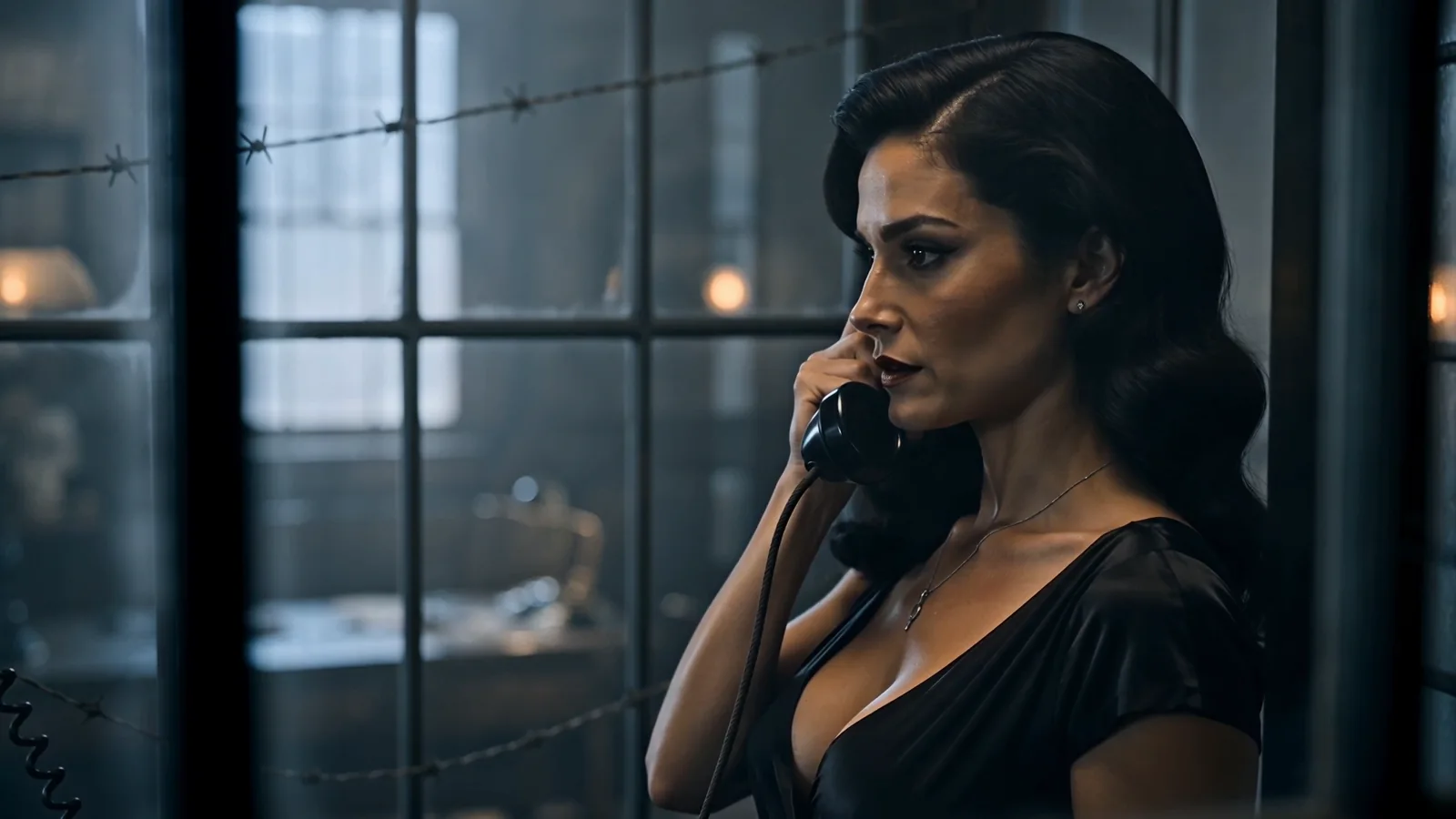
Captured in-game. No concept art, no renders.
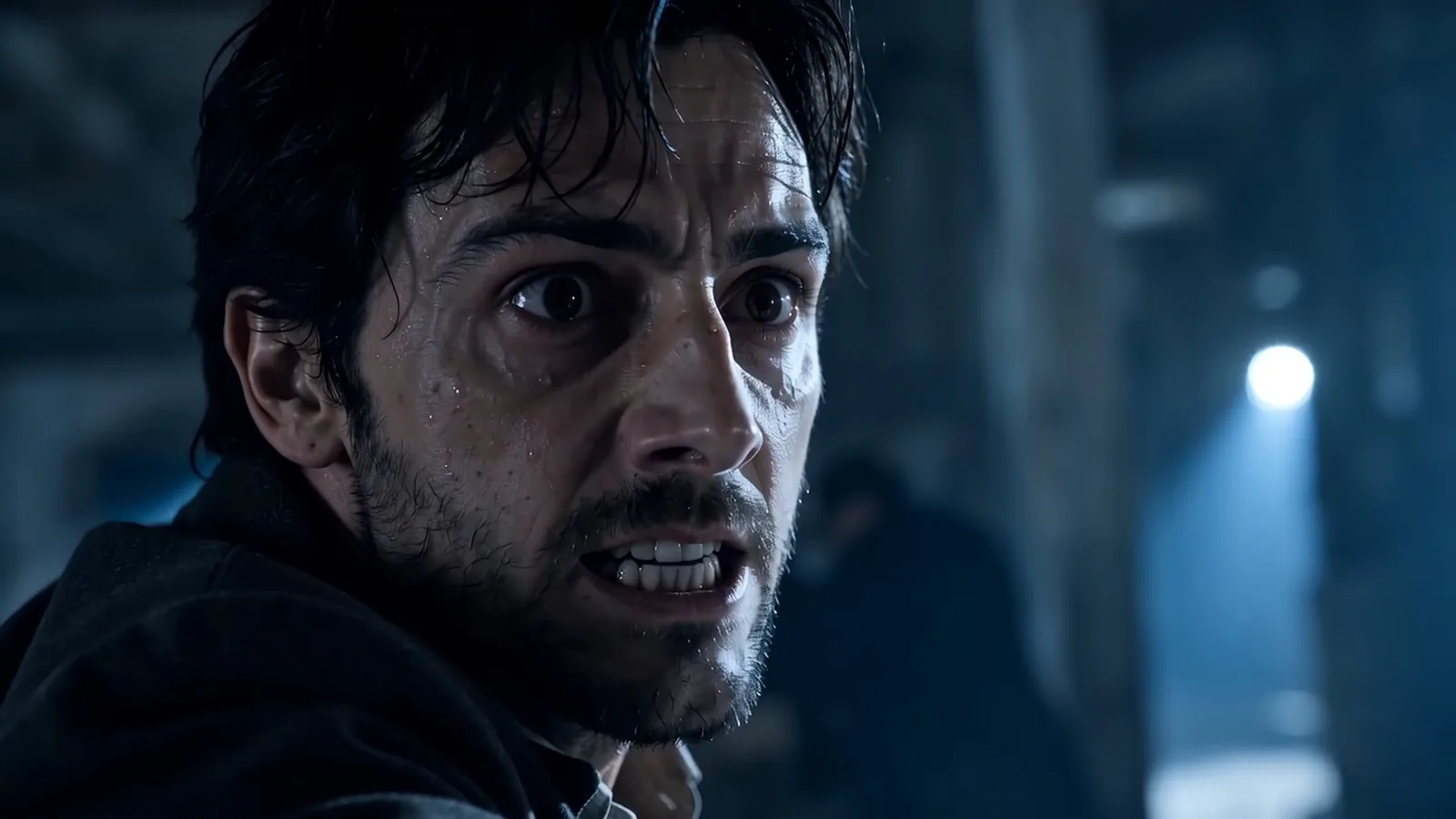
Wishlist on Steam and you will be told the day it opens.